
A bare lot and a lot with a house, a shop, two sheds, a fence, and a pond can have the same acreage. They won’t have the same survey price. Each structure on the ground is something a surveyor may need to find, measure, and show on the drawing. That extra work is the main reason property survey costs climbs on improved land.
This guide is for property owners, buyers, and sellers around Enterprise who want to understand a quote before they sign it. You’ll learn which improvements usually get located, how they change fieldwork, and what you can send ahead of time to get a clearer price. The short answer is simple. More improvements usually mean more field time and drafting time, so the quote rises with them.
Why Multiple Improvements Can Affect Property Survey Cost
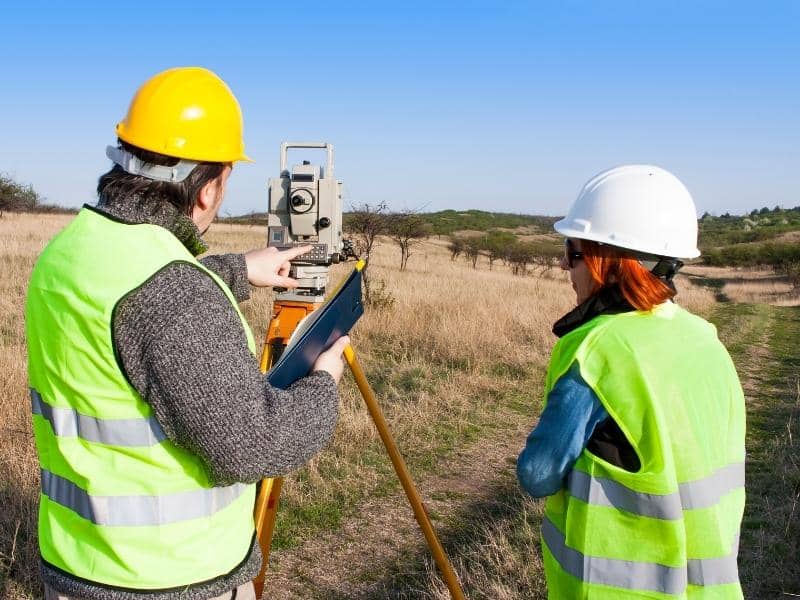
Property survey cost depends mostly on time. A survey crew has to walk the land, find corners, and measure anything the client or lender needs on the map. Every building, fence line, or paved area adds measurements, and each one has to be checked against the boundary lines.
Drafting adds to the bill too. Once the field data comes back to the office, someone has to plot each improvement, label it, and show distances to property lines when required. A drawing with ten features takes longer to build and review than one with two.
Older improved properties around Enterprise can add another layer. Many lots have changed over the years through added carports, shops, or rebuilt fences. Those changes may not match older deeds or plats, so the surveyor may spend extra time sorting out what’s on the ground versus what’s on paper.
Which Property Improvements Need to Be Located
The improvements a surveyor locates depend on the purpose of the survey. A lender, title company, or buyer may each ask for different items, so the scope should be set before fieldwork begins. Common items include:
- Houses, garages, and attached porches or decks
- Detached shops, barns, sheds, and carports
- Mobile or manufactured homes
- Fences, gates, and retaining walls
- Driveways, parking areas, and sidewalks
- Pools, ponds, and wells
- Visible utility features like poles, meters, and septic tank lids
Not every survey shows every item. A basic boundary survey may only show buildings near the lines, while a mortgage or title survey may need all major structures. Ask your surveyor which items are included so you aren’t paying for detail you don’t need or missing detail your closing requires.
How Improvements Affect Boundary Survey Fieldwork
Improvements change how a crew moves across the property. Buildings, thick fence rows, and stored equipment can block the line of sight between survey points. The crew may need to set extra control points just to see around them, and that adds time.
Fences and Encroachments
Fences are one of the biggest time factors. A crew often has to locate a fence at several points to show where it sits compared with the true boundary. If a fence, shed, or driveway crosses a line, the surveyor will note it, which may call for extra measurements and careful labeling.
Large or Rural Tracts
Acreage with scattered improvements takes longer than a tight in-town lot. A shop at the back of the tract, a pond in the middle, and a barn near the road can mean long trips between features. Wooded areas and soft ground after heavy rain can slow the crew even more.
When Additional Survey Data May Be Needed
Some projects need more than the locations of existing structures. If you plan to build, add on, or change drainage, the survey scope may grow. Each added task usually raises the property survey cost because it adds field and office work. Extra data might include:
- Spot elevations or a topographic survey for grading and drainage plans
- Setback distances for a permit or planned addition
- Flood zone information or an elevation certificate when a structure sits near a mapped floodplain
- Easement locations from recorded documents
- Utility locations for new construction
Requirements can vary by lender, title company, city, county, or project scope. Confirm what’s needed early, especially if a closing date or building permit depends on the survey. Adding tasks after fieldwork is done can mean a second trip and a second charge.
What to Provide Before Requesting a Survey Quote
The more a surveyor knows up front, the more accurate the quote will be. Gathering a few documents before you call saves time on both sides. These items help most:
- The property address and parcel ID number
- A copy of your deed and any prior survey or plat
- The reason for the survey, such as a sale, refinance, permit, or fence project
- A list of improvements, including outbuildings away from the house
- Any title commitment or lender requirements
- Your deadline
Photos can help too. A few pictures of the main structures, fence lines, and access roads show the surveyor what the crew will face. Mention locked gates, livestock, or dogs so the crew can plan its visit.
Frequently Asked Questions
Does a pond or creek raise property survey cost?
It can. Water features may need to be located and labeled, and they can block direct access between survey points. If the water sits near a boundary, the crew may need extra time to measure around it. Ask your surveyor whether the pond or creek will be shown and how that affects the price.
Will the surveyor locate a shed I’m planning to remove?
Usually, yes, if it’s still standing when the crew visits. A survey shows conditions on the date of fieldwork. If you remove the structure first, it won’t need to be located, which may trim some time. Talk with the surveyor before scheduling so the timing fits your plans.
Can I ask the surveyor to skip some improvements?
For some surveys, you can. A simple boundary survey may not need every shed or walkway shown. A lender or title company may require certain items, though, so check their requirements first. Leaving out a required item can delay a closing and lead to a revised survey.
Why did my quote change after the surveyor reviewed my records?
Records can reveal issues that weren’t clear at first. An old plat might not match the deed, or a recorded easement may need to be shown. These findings can add research and field time. A good surveyor will explain what changed and why before moving ahead.
Is a survey quote a fixed price?
Many surveyors give a set price based on the scope you agree to. If the scope changes, such as adding elevations or more structures, the price may change too. Unexpected conditions found in the field can also affect the final cost. Ask how the firm handles changes so you know what to expect.
