
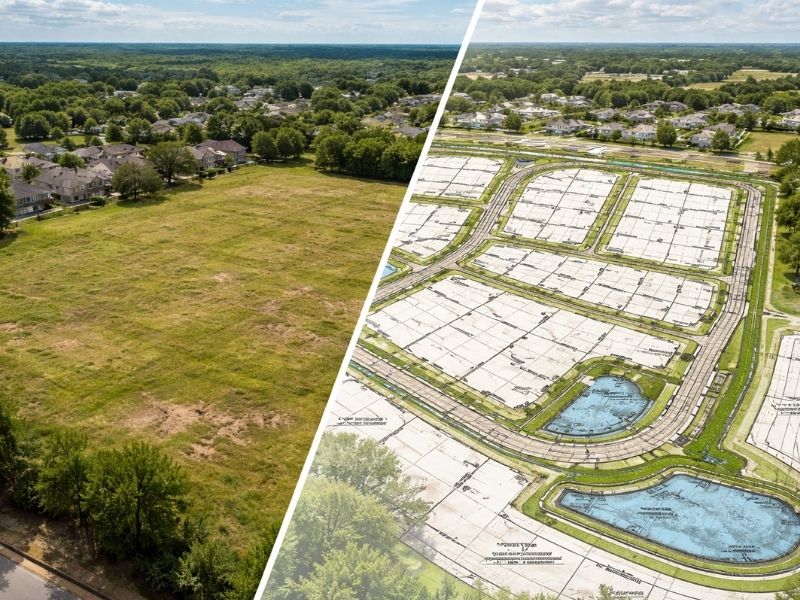
A property can look perfect on paper. The lot appears large enough. The location works. The price makes sense. Then a survey reveals a utility easement running through the middle of the planned building site. Suddenly, the project needs a redesign.
This is why developers pay close attention to ALTA Survey.
Many people think an ALTA Survey only confirms property boundaries. It does much more than that. It can reveal rights, restrictions, improvements, and site conditions that may affect how a property can be used.
For developers, these details can help avoid delays, redesigns, legal disputes, and unexpected costs. Before purchasing land or moving forward with a project, understanding what an ALTA Survey reveals can make a big difference.
Property Lines Are Only the Starting Point
Property boundaries are important, but they only tell part of the story.
A parcel may have clear boundary lines and still contain issues that affect development. An ALTA Survey combines field measurements with title records and other documents to provide a more complete picture of the property.
This extra information helps developers identify risks before construction begins.
Unlike a basic boundary survey, an ALTA focuses on matters that may impact ownership, access, financing, and development plans.
Easements That Affect Future Development
One of the most valuable parts of an ALTA Survey is the identification of easements.
An easement gives another party certain rights to use part of the property. These rights can limit where structures may be built.
Utility Easements
Utility companies often have easements for power lines, water lines, sewer systems, gas lines, and communication infrastructure.
A building, parking lot, or retaining wall may not be allowed within these areas.
Discovering a utility easement after design work has started can create expensive changes.
Access Easements
Some properties rely on shared driveways or access routes.
An ALTA Survey can show where these access easements exist and who has the right to use them.
This information helps developers understand how vehicles and pedestrians can legally enter and leave the site.
Drainage Easements
Drainage easements allow water to move through designated areas.
Building within these areas can create permit problems and drainage concerns.
An ALTA Survey helps identify these restrictions before construction plans are finalized.
Encroachments That Create Risk
Encroachments are another issue that often appears during an ALTA Survey.
An encroachment occurs when a structure crosses a property line or enters an easement area.
Examples include:
- Fences
- Retaining walls
- Driveways
- Buildings
- Parking areas
Sometimes the encroachment belongs to a neighboring property. Other times it originates from the property being surveyed.
Either situation can create legal and financial concerns.
A developer who discovers an encroachment before closing has more options than one who discovers it after construction starts.
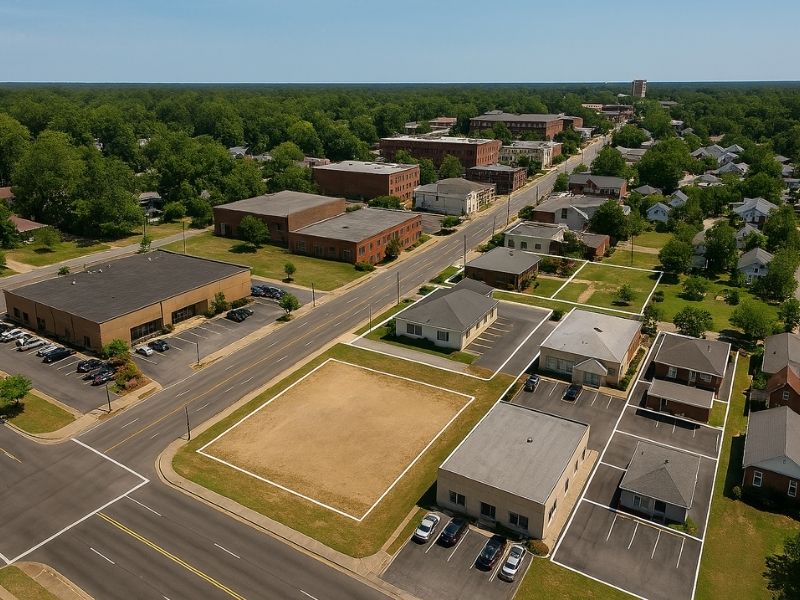
Recorded Rights and Restrictions
An ALTA Survey may also reveal rights and restrictions that affect the property’s future use.
These items are often found within title documents and public records.
Rights-of-Way
A right-of-way allows specific parties to travel across part of a property.
This right may belong to utility companies, government agencies, neighboring owners, or others.
The location and size of a right-of-way can affect site design.
Building Restrictions
Some properties have recorded restrictions that limit certain activities or improvements.
These restrictions may affect building placement, access points, parking layouts, or future expansion plans.
Understanding these limitations early can prevent costly revisions later.
Access Concerns
Legal access is not always as straightforward as it appears.
An ALTA Survey can help identify situations where access rights may be limited or unclear.
For developers, legal access is often a critical part of project planning and financing.
Improvements Located on the Property
An ALTA Survey documents many visible improvements located on the site.
This information helps developers understand existing conditions before making investment decisions.
Existing Buildings
The survey shows where buildings are located in relation to property boundaries and easements.
This information helps identify potential conflicts.
Parking Areas and Site Features
Parking lots, sidewalks, signs, utility structures, and other improvements are commonly shown on an ALTA Survey.
These features can affect redevelopment plans and site layout options.
Setback Concerns
Local regulations often require structures to remain a certain distance from property lines.
Survey information helps identify situations where improvements may be too close to those boundaries.
Finding these issues early allows developers to address them before they become larger problems.
ALTA Survey Information That Helps Lenders
Lenders frequently request ALTA Surveys during commercial real estate transactions.
They want to understand any conditions that could affect the property’s value or future use.
A lender evaluating a development site needs more information than simple boundary locations.
Easements, encroachments, access rights, and restrictions can all influence lending decisions.
An ALTA Survey helps provide that information.
It also reduces uncertainty during the due diligence process.
Why Hidden Issues Cost More Than Survey Costs
Many development problems begin with information that was not discovered early enough.
An easement may force a building redesign.
An encroachment may require legal action.
An access issue may delay permits or financing.
The cost of correcting these problems often exceeds the cost of obtaining an ALTA Survey.
Identifying potential concerns before closing gives developers more time to evaluate options and make informed decisions.
When an ALTA Survey Makes the Most Sense
An ALTA Survey is often used for:
- Commercial property purchases
- Development projects
- Refinancing transactions
- Large land acquisitions
- Properties with complex title histories
- Sites requiring lender review
In these situations, a basic understanding of property boundaries is rarely enough.
Developers need a broader view of the property and the issues that may affect future plans.
The Value of Knowing More Before You Build
Property lines are only one part of the story.
An ALTA Survey can reveal easements, encroachments, access rights, improvements, rights-of-way, and recorded restrictions that may affect a property’s future use.
For developers, this information helps support better decisions before purchasing land, securing financing, or beginning construction.
Finding issues early is usually easier and less expensive than dealing with them after a project is underway.
